
☁️ Cloud Computing & DevOps Course
🌐 Introduction to Cloud Computing & DevOps
Modern businesses rely on scalable, flexible, and efficient IT systems to operate in a fast-paced digital environment. Cloud Computing and DevOps have transformed how applications are built, deployed, and managed. These technologies allow organizations to deliver software faster while maintaining reliability and performance.
A cloud computing and DevOps course helps learners understand how modern infrastructure supports application development and operations.
☁️ What is Cloud Computing?
Cloud computing is the delivery of computing services over the internet instead of using local servers or personal computers. These services include storage, databases, servers, networking, and software.
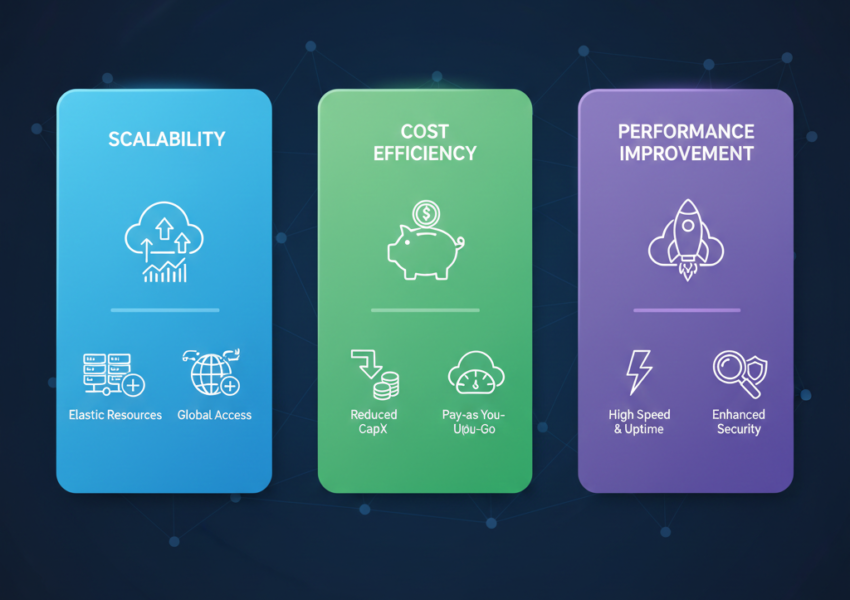
Cloud platforms allow organizations to access resources on demand, reduce costs, and scale operations easily. This approach has replaced traditional infrastructure in many industries.
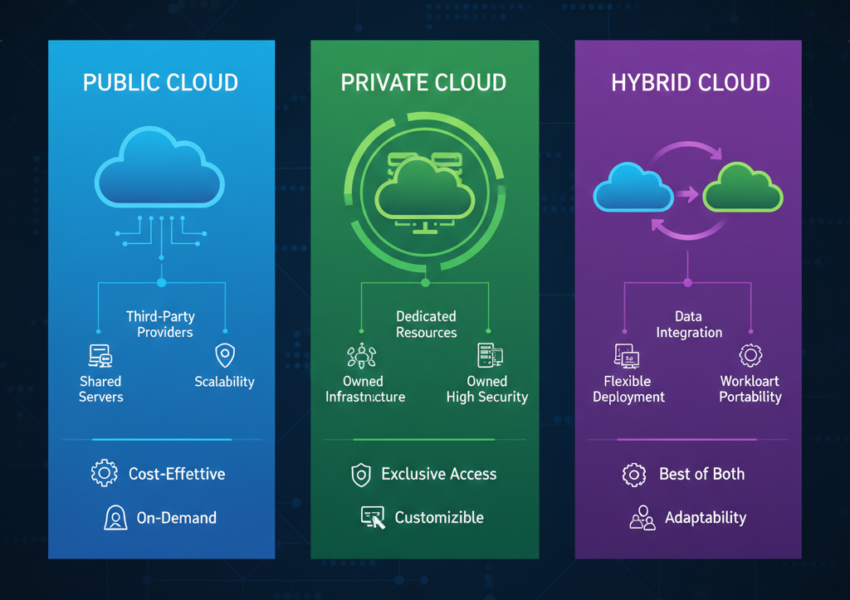
Types of Cloud Computing
Cloud computing can be categorized based on how resources are deployed.
-
Public cloud provides shared resources over the internet
-
Private cloud offers dedicated infrastructure for a single organization
-
Hybrid cloud combines public and private environments
Each model supports different business and technical requirements.
What is DevOps?
DevOps is a set of practices that integrates software development and IT operations. Its goal is to shorten the development lifecycle while delivering high-quality software continuously.
DevOps promotes collaboration, automation, and monitoring throughout the software development process.
Relationship Between Cloud Computing and DevOps
Cloud computing provides the infrastructure, while DevOps focuses on processes and automation. Together, they enable faster application deployment, improved reliability, and efficient resource management.
Cloud platforms support DevOps by offering scalable environments for development, testing, and production.
🧠 Core Concepts Covered in Cloud & DevOps
A cloud computing and DevOps course introduces learners to essential infrastructure and operational concepts.
Key learning areas include:
Virtualization and cloud architecture
Resource management and scaling
Continuous integration and deployment
Infrastructure automation
Monitoring and system reliability
These concepts help learners understand how modern IT systems operate.
DevOps Culture and Practices
DevOps is not just about tools but also about culture. It encourages collaboration between teams, shared responsibility, and continuous improvement.
DevOps practices help organizations respond quickly to changes and deliver better software experiences.
🎯 Who Should Learn Cloud Computing & DevOps?
This course is suitable for:
Students interested in infrastructure and operations
IT graduates and working professionals
System and network administrators
Developers expanding into operations roles
Basic knowledge of operating systems and networking is helpful for beginners.
💼 Career Opportunities in Cloud & DevOps
After completing training in cloud computing and DevOps, learners can work in roles such as:
Cloud engineer
DevOps engineer
System administrator
Infrastructure engineer
Site reliability engineer
These roles are in high demand due to widespread cloud adoption.
🚀 Why Choose Cloud Computing & DevOps as a Career?
Cloud and DevOps professionals work at the core of modern IT systems. Their skills are essential for maintaining scalable and reliable applications.
This career path offers strong growth potential, competitive salaries, and global opportunities.
✅ Final Conclusion
Cloud Computing and DevOps are foundational technologies in modern IT infrastructure. They enable scalable systems, continuous delivery, and efficient operations.
For learners seeking future-ready IT careers, cloud computing and DevOps provide valuable skills with long-term relevance.