
 HTML: Structure of a Website
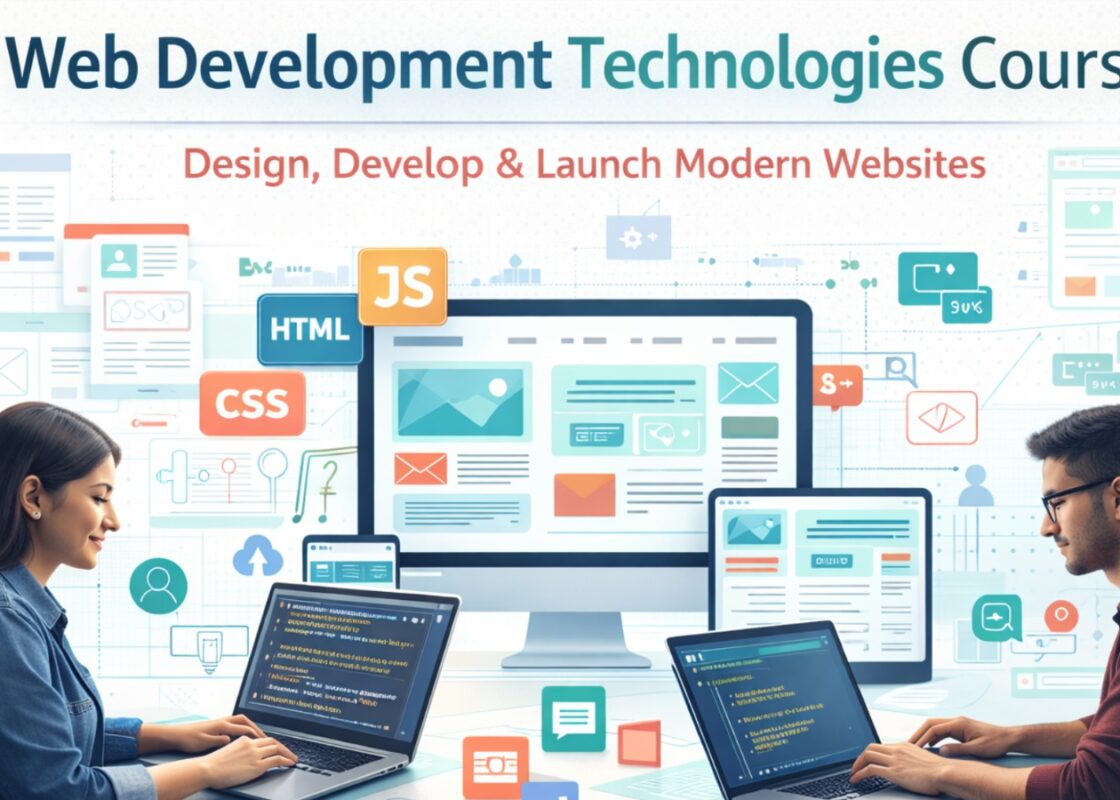
HTML (HyperText Markup Language) is the basic building block of every website and a core part of web development technologies. It defines the structure and layout of web pages and helps browsers display content correctly. HTML is used to create headings, paragraphs, images, links, forms, and page sections, making it the first step to learn web development and the foundation of all websites.
 CSS: Designing and Styling Web Pages
CSS (Cascading Style Sheets) is used for website design and styling. It controls colors, fonts, layouts, spacing, animations, and responsive web design across different devices. With CSS, developers can create attractive, mobile-friendly, and user-focused websites. Modern websites rely heavily on CSS for a smooth and engaging user experience (UX).
 Bootstrap: Responsive Web Design Made Easy
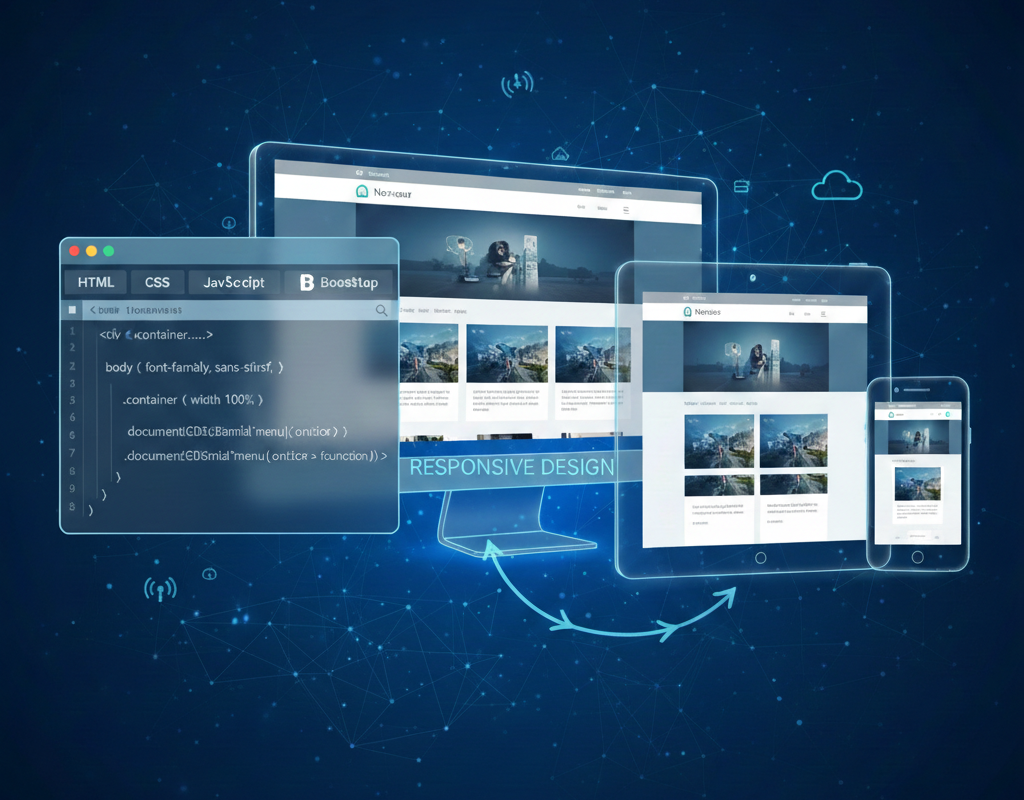
Bootstrap is a popular front-end framework used in modern web development to create responsive websites quickly. It provides ready-made components such as navigation bars, buttons, forms, cards, and grid systems. Bootstrap helps developers save time and ensures websites work smoothly on mobile, tablet, and desktop devices
⚙️ JavaScript and Modern Frameworks
JavaScript is a powerful programming language used for interactive and dynamic websites. It handles user actions, form validation, animations, and content updates without page reloads. Modern JavaScript frameworks and libraries help developers build fast, scalable, and high-performance web applications used in professional web projects.
🖥️ Frontend Development
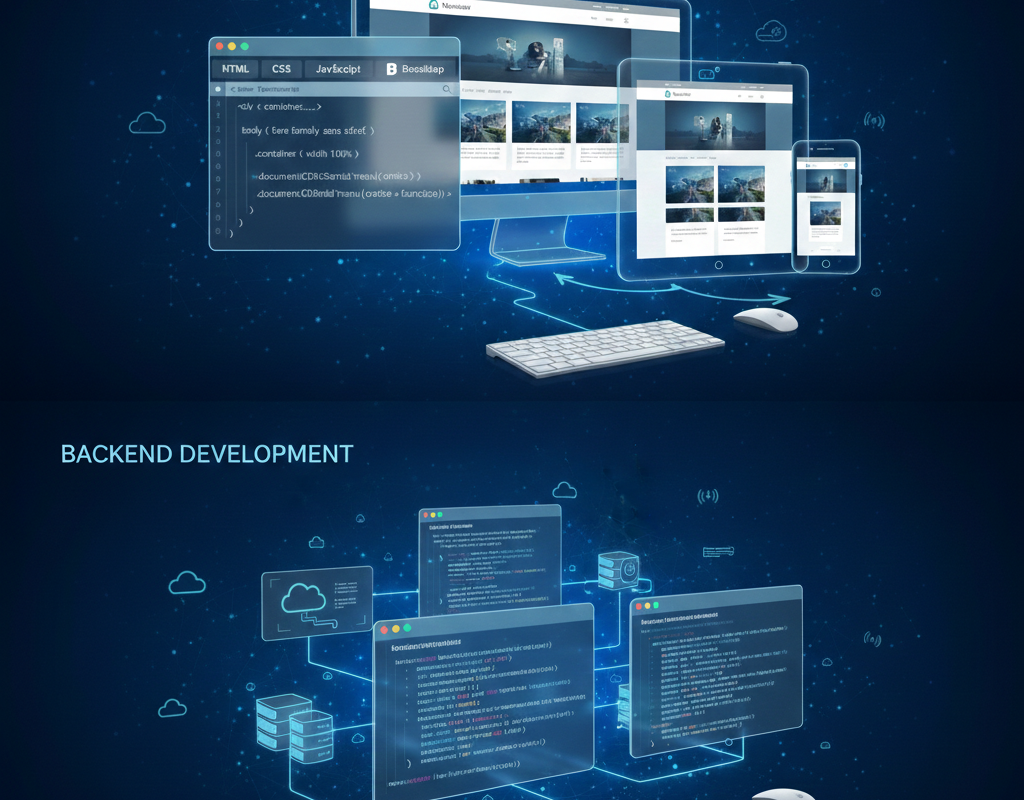
Frontend development focuses on the user interface (UI) and user experience (UX) of a website. It combines HTML, CSS, JavaScript, and responsive design techniques to create fast, accessible, and interactive websites. Frontend developers ensure websites work smoothly across different browsers and devices, making frontend development a key skill in the web developer career path.
 Backend Development
Backend development handles the server-side logic of websites and web applications. It manages data processing, user authentication, databases, and communication between the server and frontend interface. A strong backend ensures websites run securely, efficiently, and reliably while handling user data and application logic behind the scenes.
🗄️ PHP and MySQL: Server-Side Web Development
PHP is a widely used server-side scripting language for building dynamic websites, while MySQL is a powerful database management system used to store and manage data. Together, PHP and MySQL enable developers to create data-driven web applications such as login systems, dashboards, content platforms, and business websites.
🔄 Full Stack Web Development
Full stack web development combines frontend and backend technologies into a single skill set. A full stack developer can design user interfaces, write server-side logic, manage databases, and deploy applications. This makes full stack development one of the most in-demand web development careers.

